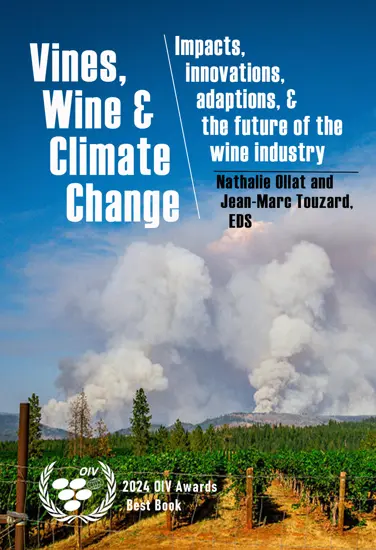
Written by international researchers and experts engaged in research and innovation in different dimensions of grape and wine production, this book is not only for field researchers, but also for professionals and industry stakeholders whose job it is to be informed of innovations in viticulture and enology. This book comprises five chapters. The introductory chapter summarizes the new challenges and principal innovations in the production of grapes and wines in recent years. Chapter 2 focuses on the latest science concerning the adaptation of grape varieties in different environments and its impact on grape and wine characteristics. Data on international grape varieties introduced in several wine regions and the native grape varieties are compared. Chapter 3 discusses esca and its impact on vine productivity and grape quality in vineyards worldwide; this increasing threat to global viticulture is causing significant losses in terms of reduced yields, declining or wilting vines and shorter productive life for vineyards. The authors also suggest the possible role of climate change in the spread of the disease. Chapter 4 examines the significance of enzymes in winemaking and their contribution to the development of new strategies for optimizing wine production, highlighting the link between biochemical processes involving enzymes and the quality of wine as a final food product. Finally, the authors of Chapter 5 consider low-alcohol and non-alcoholic wine production, focusing on the principal techniques used in wine dealcoholization, their impact on the wine’s phenolic and volatile composition, and on wine sensory characteristics.